And how long will Iran be at war? (They are not the same question.)
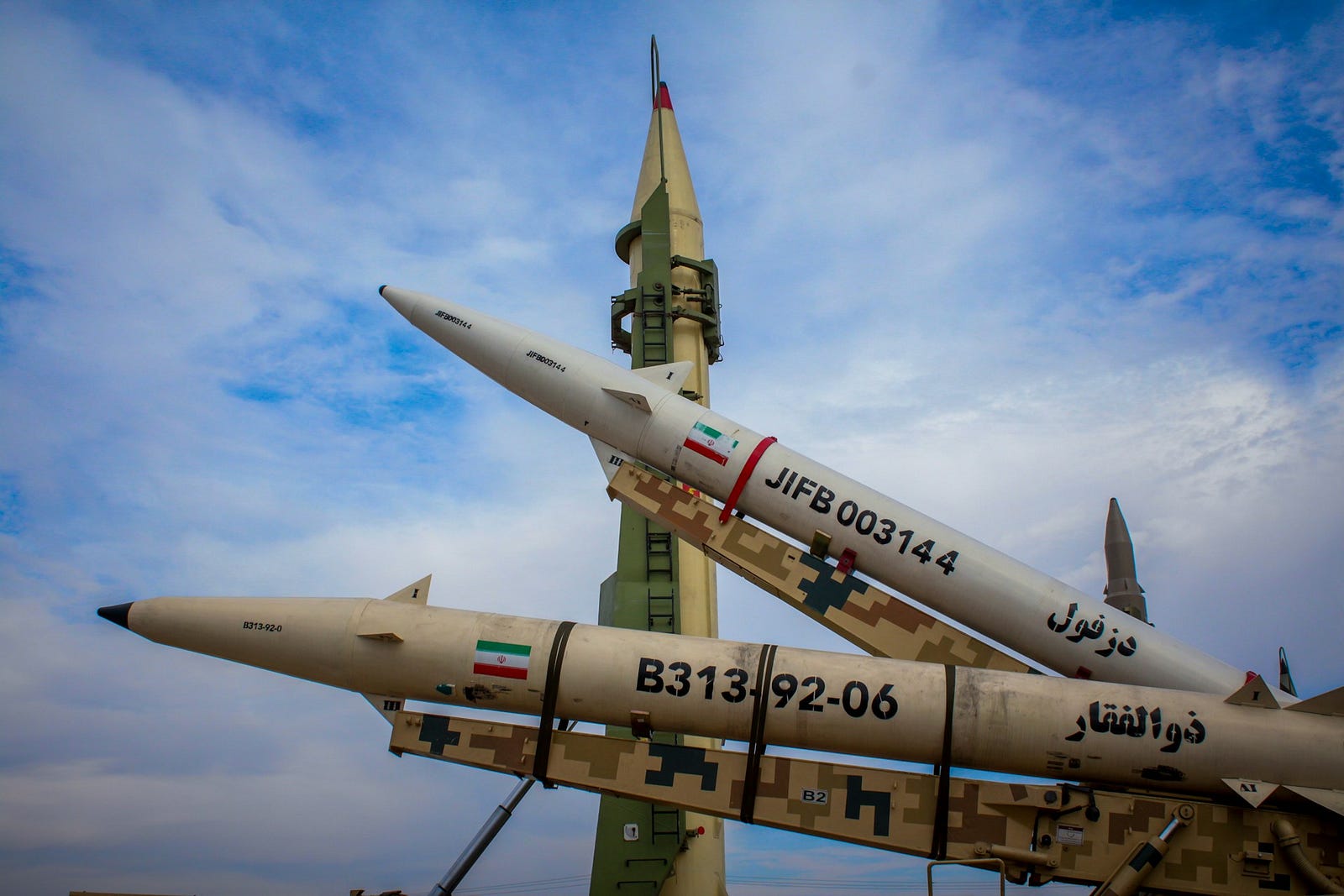
Five months after the United States and Israel began attacking Iran, the war has settled into a dangerous rhythm: bombing, retaliation, negotiation, ceasefire, violation and renewed bombing.
President Donald Trump paused the latest U.S. air campaign last weekend after 13 nights of strikes, but Iran immediately insisted that it still controlled the Strait of Hormuz. On Friday, Tehran claimed it had stopped or turned back several vessels, while Iranian drones again approached American partners in the Gulf. Trump gathered his Cabinet at Camp David as his administration weighed another round of attacks.
So how long will the American war last?
Probably months rather than years — at least in its present form.
The United States possesses the military power to keep striking Iran far longer than Iran can effectively defend itself. But military superiority does not answer the political question: What would constitute victory?
The administration has described several goals — destroying Iran’s nuclear capacity, degrading its missiles and navy, protecting international shipping, weakening its proxies and perhaps helping Iranians replace their government. Some of these objectives can be achieved from the air. Others cannot be permanently secured without an occupation that almost nobody in Washington or the country wants. The White House’s stated objectives have included eliminating Iran’s missile-production capacity, neutralizing its navy, severing support for proxies and preventing an Iranian nuclear weapon.
That gives the American campaign a natural ceiling. Trump may order another two weeks of intense bombing. He may continue enforcing the blockade and striking launchers, radar systems, drone facilities and Revolutionary Guard boats. U.S. Central Command recently completed 12 consecutive nights of attacks on Iran, targeting maritime forces, missile storage, coastal surveillance and air defenses. More than 50,000 American service members are now positioned across the Middle East.
But Trump has shown little appetite for sending a large ground army into Iran, and the public is even less enthusiastic. Only about one-third of Americans currently support the war, while four in five expect it to last for an extended period. Congress is becoming restless, gasoline prices are rising and the midterm elections are approaching.
Those pressures do not guarantee an immediate American withdrawal. They do make an open-ended war politically expensive.
The most likely outcome is therefore not a conclusive peace treaty but another armed pause: an agreement that restores more reliable passage through Hormuz, limits Iranian nuclear activity, establishes retaliation rules and allows both sides to claim success.
Washington could say Iran’s military infrastructure had been devastated and its nuclear ambitions constrained. Tehran could say the Islamic Republic survived the combined power of the United States and Israel.
Both claims would contain some truth.
But ending America’s war would not mean that Iran was no longer at war.
The Islamic Republic does not define conflict as Americans generally do. For Washington, war usually has a recognizable beginning, military operation and desired termination. For Tehran, conflict has long been a permanent condition conducted across several levels at once: direct deterrence, proxy warfare, terrorism, cyberoperations, political subversion, sanctions evasion and ideological struggle against Israel and the United States.
Iran does not need to defeat the U.S. Navy to prolong that war. It merely needs to retain enough missiles, drones, mines, small boats and regional allies to impose costs. It can threaten tankers in Hormuz, encourage militias in Iraq, rebuild Hezbollah, assist the Houthis, sponsor attacks abroad and wait for American attention to move elsewhere.
The new leadership may be even more inclined toward this strategy. Supreme Leader Mojtaba Khamenei inherited a damaged regime after his father was killed on the first day of the war, but authority has increasingly shifted toward the Islamic Revolutionary Guard Corps. The absence of a commanding clerical referee has made the Guards more influential and may be hardening Tehran’s negotiating position.
The Guards do not need Iran to prosper as much as they need the regime to survive. Isolation, militarization and foreign threat can strengthen their political position even while impoverishing the country.
Iran is also fighting an internal war. The government faces a young and frequently rebellious population, economic deterioration and anger over repression. The regime answered protests earlier this year with arrests, executions and massive deployments of security forces, fearing that wartime economic damage could ignite another uprising.
Even after the American bombing stops, that confrontation between the Islamic Republic and many of its own citizens will continue.
This is why the two clocks are different.
The American clock is measured in elections, oil prices, weapons inventories and presidential patience. Trump wants a visible result he can present as victory. If Iran accepts restrictions on shipping and nuclear activity, he has every incentive to declare the principal mission accomplished and reduce direct U.S. involvement before the conflict becomes a permanent burden.
Iran’s clock is measured in regime survival and revolutionary history. It can absorb defeats, rename retreats as resistance and continue the struggle by cheaper means. Even if Tehran signs an agreement this year, it may begin rebuilding missiles, proxies and nuclear leverage almost immediately.
The U.S. war with Iran could therefore wind down before the end of 2026. Iran’s war — with Israel, with the American-led regional order and, increasingly, with its own people — could last for years or until the Islamic Republic itself changes.
America is trying to end a military campaign. Iran is trying to survive an era.
That is why Washington may soon stop fighting, while Tehran remains at war.
(Contributing writer, Brooke Bell)